



At InnovaDeluxe, we have spent more than a decade helping online stores grow, and in recent years one question keeps coming up among our clients: how can I generate recurring revenue without relying exclusively on acquiring new customers? In many cases, the answer lies in the subscription model.
This is not a passing trend. It is a structural evolution of ecommerce that, when implemented correctly, transforms the way an online store creates value and builds customer loyalty.
What exactly is a subscription model in ecommerce?
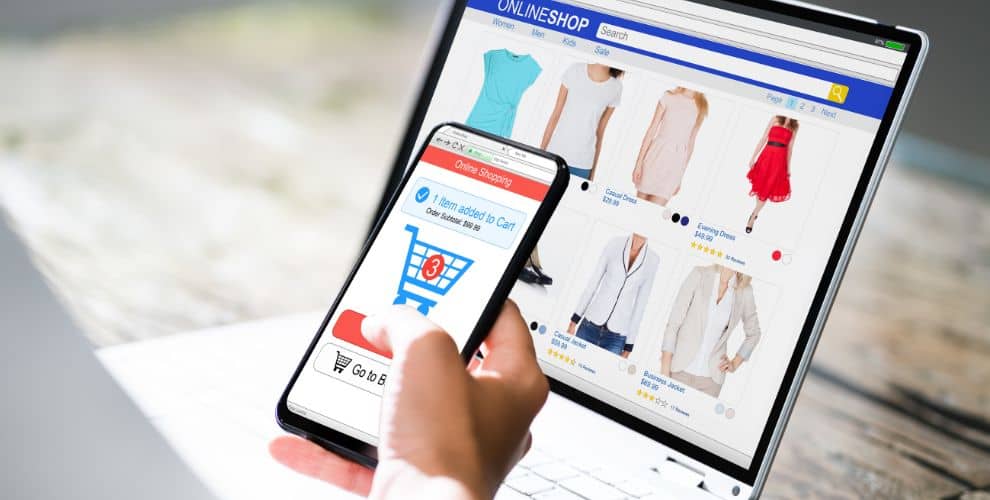
We are talking about any system in which the customer pays on a recurring basis in exchange for receiving products, services, or exclusive benefits continuously. From seasonal product boxes to premium access, fixed discounts, or unlimited free shipping.
Brands such as Amazon Prime, Dollar Shave Club, and, on a national level, gourmet food or natural cosmetics companies, have spent years proving that this model is not only viable, but also extremely profitable when executed strategically.
Why it matters so much from a business perspective
When developing the strategy for any ecommerce business, one of the first metrics we analyze is LTV or Lifetime Value: how much a customer is worth throughout their entire relationship with the store. A subscription model increases this metric directly and predictably.
But there are even more advantages:
- Predictable revenue. Knowing how much we are going to bill next month allows us to plan stock, marketing investments, and hiring much more effectively.
- Lower acquisition costs over time. If we acquire a customer for 15 euros and they stay for twelve months, that initial cost becomes much less significant compared to the accumulated margin.
- Natural customer loyalty. An active subscriber thinks less about competitors. Their relationship with the brand is continuous rather than occasional.
- Highly valuable customer data. Subscriptions generate behavioral patterns that allow businesses to personalize experiences, anticipate cancellations, and create far more accurate marketing campaigns.
The most common subscription models we see in our projects
Not every business is the same, which is why at InnovaDeluxe we always adapt the strategy to the specific type of store. These are the formats that usually perform best:
Replenishment subscriptions. Ideal for regularly consumed products such as supplements, coffee, pet food, or cleaning products. Customers automate a purchase they were already making anyway, while the business secures recurring revenue. It is the model with the least friction because it solves a real problem.
Curated subscription boxes. Customers receive a themed selection of products every month. The key is maintaining the surprise factor and delivering a perceived value higher than the subscription price. This works especially well in niches with active communities such as books, snacks, beauty, or collectibles.
Membership clubs with exclusive benefits. Similar to the Amazon Prime model on a smaller scale. Customers pay for access to perks such as free shipping, exclusive discounts, early access to launches, or premium content. It is perfect for stores with a loyal customer base and recurring traffic.
Digital service or content subscriptions. If the store includes an educational or advisory component such as recipes or training plans, monetizing it through subscriptions creates an additional revenue stream with almost zero marginal cost.
What businesses should consider before launching a subscription model
Over the years, we have seen many stores with great ideas fail during execution. These are the critical points we always address with our clients:
The value proposition must be undeniable. Customers need to understand within five seconds why paying every month is worth it. If it is not obvious, the model will not work no matter how much is invested in advertising.
Technical management matters far more than most people think. Recurring payments, pauses, cancellations, card updates, renewal emails… all of this requires a robust infrastructure. Both PrestaShop and Shopify offer specific modules for subscription management, and choosing the right solution from the beginning prevents many future problems.
Churn rate is the real enemy. The cancellation rate is the metric that must be monitored most closely. If every month we lose more subscribers than we acquire, the model eventually collapses. Reducing churn requires continuous work: improving the product, personalizing communication, and offering pause options before cancellation.
Onboarding makes a huge difference. The first few days after subscription are the most critical. A strong welcome email, a flawless first delivery, and warm, relevant communication can dramatically improve long-term retention.
A reflection based on experience
Not every ecommerce business is ready for a subscription model right now, and we always say that honestly. It requires operational maturity, a solid value proposition, and a willingness to think about customer relationships in the long term.
But when the right conditions are in place, it is possibly the most transformative shift an online store can make. Because it does not just improve numbers: it changes the mindset behind the business, moving from chasing transactions to building a community.
And in our experience, that is the difference between an ecommerce business that survives and one that truly scales.

Leave a comment